

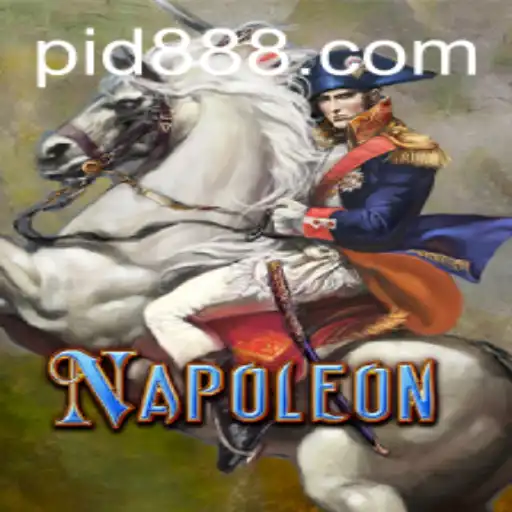

Within the realm of card games, few offer the mix of strategy, history, and skill quite like Napoleon. Named after the famed French military leader, this game encapsulates the essence of strategy and cunning as players aim to outmaneuver opponents in tactical brilliance. What sets Napoleon apart is its structured yet adaptable rules, allowing for varied gameplay driven by skill and a touch of luck.
Napoleon is a trick-taking card game that broadly follows the mechanics of bidding and trumping. It has gained significant popularity, especially in periods where strategic thought and cunning moves are celebrated in gaming cultures worldwide. As more individuals seek engaging recreational activities amidst global events, the resurgence of Napoleon has been noteworthy.
Historically, the game is said to have been inspired by Napoleon Bonaparte himself, imbuing the game with a historical significance and strategic depth reflecting the real-life military strategies used by its namesake. Its simplicity and depth make it accessible to both novice players and seasoned card game enthusiasts.
Napoleon is typically played with a standard 52-card deck and is best suited for 3 to 5 players. The primary objective is to win tricks, akin to games like Bridge and Spades. However, what gives Napoleon its distinctive edge is the bidding phase, where players declare their intent and strategy for the round.
The game's dynamics begin with the dealer distributing five cards to each player. Following the deal, the bidding phase commences, where players express the number of tricks they believe they can win. The highest bidder assumes the title of 'Napoleon' for the round and selects a trump suit, setting the stage for the battle to unfold.
The strategies in Napoleon revolve around the player's ability to accurately assess their hand's potential and make calculated bids. After the trump suit is declared, the Napoleon-player starts the first trick by playing a card from their hand. The subsequent players must follow suit if possible, aiming to play a higher card or masterfully play a trump card to seize the trick.
Winning the declared number of tricks is the ultimate goal for the Napoleon player, while the other participants aim to thwart these efforts, using deception and counter-strategies. Points are awarded based on the fulfillment of the bid, with misjudgment leading to penalties.
Amidst a landscape of evolving social interactions, where digital connections have become increasingly vital, card games like Napoleon offer a bridge to traditional, face-to-face gaming. In the wake of global challenges, including the pandemic, there has been a notable shift towards games that accommodate both in-person and online play, providing a sense of continuity and connection in a fragmented world.
For players seeking a blend of historical context and strategic gameplay, Napoleon offers an enriching experience. It becomes a conduit of shared moments, inviting players to partake in age-old traditions while adapting to modern circumstances. As digital platforms pivot to accommodate classic games, Napoleon finds renewed vigor among enthusiasts bonded by a shared strategic journey.
One of Napoleon's enduring appeals is its reliance on skillful play and psychological acumen. Successful players must exude confidence, impacting opponents' perceptions and strategic decisions. The ability to gauge opponent behavior and adapt accordingly forms the cornerstone of successful Napoleon gameplay.
Building alliances can also play a significant role in multiplayer settings, as teammates work in unison to fulfill shared objectives or disrupt the Napoleon player's strategy. Such dynamics introduce layers of complexity, where cooperation and competition coexist, fostering an environment rich in tactical variation.
The focal point for most players is the opportunity to become the Napoleon of the round—a title that promises prestige and challenge. Successfully navigating the responsibilities and risks attached to this role requires sharp judgment and adaptability. It is this ambition that fuels the game, with every player eager to emerge as a tactical virtuoso.
The game offers insights into decision-making processes akin to those faced by its namesake, Napoleon Bonaparte, where strategic choices, resource management, and timing could alter the course of events. Perhaps this similarity to military tactics is why the game enjoys ongoing popularity.
Discover the exhilarating world of CoinStrike, an innovative game capturing the attention of players worldwide with its captivating gameplay and strategic mechanics.

An in-depth exploration of MoneyTree, a unique game blending finance and fun, complete with rules, strategy tips, and its place in today's gaming landscape.
Delve into the captivating universe of WinWinNeko, a game that merges excitement, strategy, and the latest digital innovations.

Discover the captivating universe of PearlOcean, an innovative game that combines exploration, strategy, and mythical marine life.

Dive deep into the rich narrative and captivating gameplay of MayanTemple, an exhilarating game that offers an immersive experience inspired by ancient civilizations.

Discover the captivating world of MegaGreatestCatch, a game that combines adventure, strategy, and real-world challenges, known for its unique id888 features.
